
AI Headshots vs Traditional Photography in 2026: An Honest Comparison
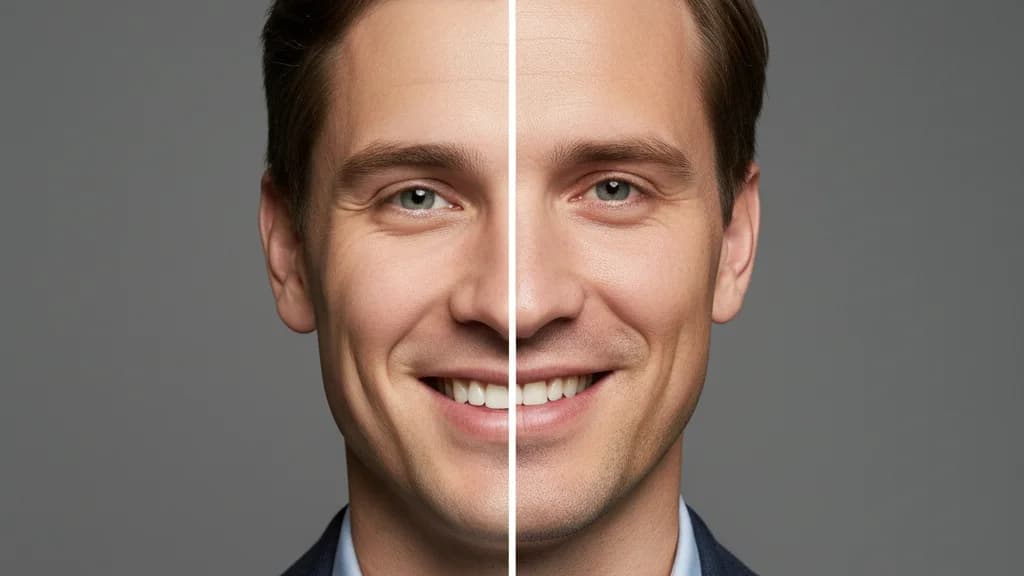
You're deciding whether to book a photographer or use an AI headshot tool. You want a professional photo — for LinkedIn, a conference speaker page, a company directory, a dating profile, or just because your current headshot is five years old and embarrassingly bad.
Both options exist. The question is which one makes sense for you.
This is an honest comparison — cost, quality, time, and results. No hype about AI, no "photographers are dying" narratives. Just the actual tradeoffs so you can make the right call.
The Short Answer
AI headshots win on: cost, speed, volume, and accessibility.
Traditional photography wins on: environmental flexibility, creative direction, and situations where you need photos with specific physical props or locations.
For most people who need a professional headshot in 2026, AI is the better choice. For the specific situations where it isn't, this post will tell you exactly when that is.
Cost Comparison: AI Headshots vs Photographer
What a traditional photographer costs
A professional headshot session in 2026 typically runs:
- Budget/emerging photographer: $150–$300 (1–2 hours, 10–30 edited images)
- Mid-range professional: $300–$600 (full session, multiple looks, 30–75 edited images)
- High-end / corporate photographer: $700–$1,500+ (full studio, styling, multiple outfits, same-day turnaround)
That's before travel, parking, and the time cost of the session itself. Many corporate packages charge per head if you're doing team photos.
What AI headshots cost
AI headshot tools in 2026 typically run:
- Entry-level tools: $15–$30 for a batch of 40–80 headshots
- Mid-range (identity-focused): $25–$50 for 50–100+ images across multiple styles
- Premium single-session tools: $50–$100 with higher-resolution output and style customization
HeadshotsByAI runs around $29 for a full session — you upload your photos, select your styles, and receive 30+ professional headshots in under 10 minutes.
The math: AI headshots cost roughly 10–20x less than a mid-range photographer, and deliver 2–3x the volume of photos.
Time and Convenience
Traditional photography: What the actual timeline looks like
Booking a photographer isn't just the cost. It's the time investment:
- Finding and vetting the photographer — browsing portfolios, reading reviews, comparing packages: 1–3 hours
- Scheduling — finding availability that works for both parties: often 1–3 weeks out
- Prep — outfit planning, getting a haircut, travel to the studio: 1–2 hours
- The session itself — 1–3 hours at the studio
- Waiting for edits — typically 3–10 business days for final images
- Revision requests — if something needs fixing, add another 2–5 days
Total time from "I need a headshot" to "I have usable photos": often 2–4 weeks.
AI headshots: What the actual timeline looks like
- Upload your photos — 5–10 minutes
- Select styles and settings — 2–5 minutes
- Wait for processing — under 10 minutes
- Review and download — 5–10 minutes
Total time: under an hour, same day.
For anyone who decides on Monday that they need a headshot for a Thursday conference, AI is the only realistic option.
Quality: What You Actually Get
This is where the comparison gets more nuanced — because quality has multiple dimensions.
Technical quality
Modern AI headshot generators produce images that are technically competitive with professional studio photography:
- Resolution: 1024x1024 to 4K, suitable for web and print
- Lighting: Studio-quality, controlled, professional
- Background: Customizable — office blur, solid colors, outdoor settings
- Clothing and styling: Can be adjusted based on your preferences and professional context
The gap between AI output and studio photography, in terms of raw technical quality, has largely closed for headshot use cases in 2026.
Identity preservation: The key differentiator
This is where AI tools vary dramatically — and where most people get burned.
Many AI headshot tools optimize for producing a good-looking professional photo. They don't necessarily produce a photo that looks like you. The result is an image that's technically impressive but personally useless — the LinkedIn photo that no one recognizes when they meet you in person.
Signs of poor identity preservation:
- Smoothed-out facial features that make you look like a stock model
- Slightly different eye color, shape, or spacing
- Changed jawline or facial structure
- Altered skin tone
- Generic styling that doesn't reflect how you actually look
What good identity preservation looks like:
- Same face — same features, same structure, same characteristic traits
- Same you — just with better lighting, a cleaner background, and professional framing
- Multiple styles that vary in setting and clothing, not in who the subject is
HeadshotsByAI is built around identity preservation as the primary constraint. The AI trains on your specific photos, not a generic model, which means outputs are locked to your actual face. Your jawline is your jawline. Your eyes are your eyes. Just better lit.
What AI headshots can't do (yet)
Being honest: there are things a human photographer can do that AI cannot replicate:
- Location-specific shots: If you need a headshot in front of your company's office building, at a job site, or in a specific real-world environment, you need a photographer there.
- Action/process shots: Photos of you working, presenting, or engaged in a specific activity require a photographer.
- High-fashion or editorial: Complex wardrobe, hair, and makeup setups that require real-world coordination.
- Fully custom creative direction: If you have a very specific artistic vision that requires physical props, sets, or real environments, AI can't produce it (yet).
For a professional headshot — which is what most people need — none of these limitations apply.
AI Headshots vs Photographer: The Comparison Table
| Factor | AI Headshots | Traditional Photographer |
|---|---|---|
| Cost | $15–$100 | $150–$1,500+ |
| Turnaround | Same day (< 1 hour) | 1–4 weeks |
| Volume | 30–120 photos | 10–75 photos |
| Technical quality | Studio-level (2026) | Studio-level |
| Identity preservation | Varies — choose carefully | High (if photographer is skilled) |
| Physical location control | No | Yes |
| Style variety | High | Medium (limited by session time) |
| Accessibility | Available anywhere | Requires local photographer |
| Repeatability | Easy (upload new photos) | Requires rebooking |
When to Use AI Headshots
AI headshots are the right choice when:
- You need a headshot fast — for a conference, job application, or new role
- You're updating LinkedIn or a company bio — standard professional headshot needs
- You need multiple looks — different backgrounds, styles, or contexts in one session
- Budget is a factor — you need professional quality without the $300–$800 spend
- You're not near quality photographers — living outside a major city limits your options significantly
- You want to test before committing — AI lets you see different headshot styles at low cost before deciding what you actually like
When to Use a Traditional Photographer
A photographer is the better choice when:
- You need a specific physical location in the shot — your office, a job site, a real-world environment that matters to your audience
- You're doing team or group photos — getting 10+ people in front of a camera requires coordination that AI can't handle
- You need video alongside stills — some photographers offer hybrid packages
- You want a personal, collaborative creative experience — some people genuinely enjoy the process of a professional shoot
- You have very specific editorial requirements — look-book work, personal branding shoots, magazine-style photography
For most professionals who just need a strong, identity-accurate headshot, none of these apply. The photographer use case is narrower than it used to be.
The "Is It Obvious It's AI?" Question
People ask this a lot. The honest answer: in 2026, with a well-trained AI and identity-preserving output, most people cannot tell.
The giveaways, when they exist, are almost always in identity drift — the small ways the output doesn't look like you. A crooked smile that got straightened out. A hair color that shifted. A jawline that got sharper than it is.
If the output genuinely looks like you — your actual face, your actual features — it looks like a professional headshot. Because that's what it is.
The alternative framing: when you get a photographer's headshot, the photographer adjusts your lighting, picks your best angle, chooses the most flattering frame, and edits the result. That's not "fake" — it's professional presentation. AI headshots do the same thing.
What to Look for in an AI Headshot Tool (If You're Going This Route)
Not all AI headshot tools are equal. The key questions:
1. How does the tool handle identity? Does it train a custom model on your photos, or apply a generic style filter? Custom training is almost always better for identity preservation.
2. What's the output resolution? Make sure you're getting files that work for print (300 DPI) and large-format web use, not just social thumbnails.
3. How many reference photos does it require? More reference photos generally mean better identity matching. Tools that work from 5–20 photos have more to learn from than tools that work from 1–2.
4. What styles and contexts does it support? Corporate, casual, outdoor, business formal — you want options, not one-size-fits-all.
5. Is there a satisfaction guarantee? A confident product offers a refund if you don't get usable results.
HeadshotsByAI covers all of these. Custom model training per session, high-res output, 10–15 photo input, multiple style options, and a guarantee that the output looks like you — or your money back.
Final Verdict
For the majority of professionals in 2026, AI headshots are the right call.
They're faster, significantly cheaper, deliver more volume, and — with the right tool — produce results that are indistinguishable from studio photography.
Traditional photography still has its place: complex shoots, location-specific requirements, team photography, editorial work. But if your need is "I need a great headshot that looks like me," AI handles it.
The only question is choosing the right AI tool — one that puts identity first, not just technical quality.
Ready to see what you look like with a professional headshot? Try HeadshotsByAI →
Related:
Ready to create your professional headshots?
Join thousands of professionals who have already transformed their online presence with AI-powered headshots.
Continue Reading
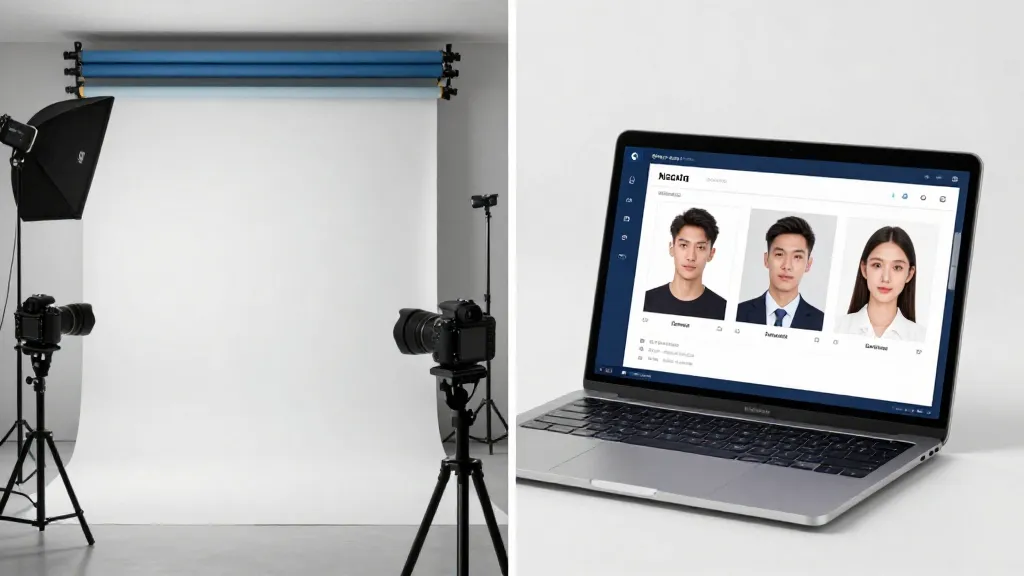
AI Headshots vs Professional Photographer: Complete Comparison 2025
Struggling to decide between AI headshots and a professional photographer? This comprehensive 2025 comparison breaks down cost, time, quality, and convenience to help you make the right choice for your professional image needs.
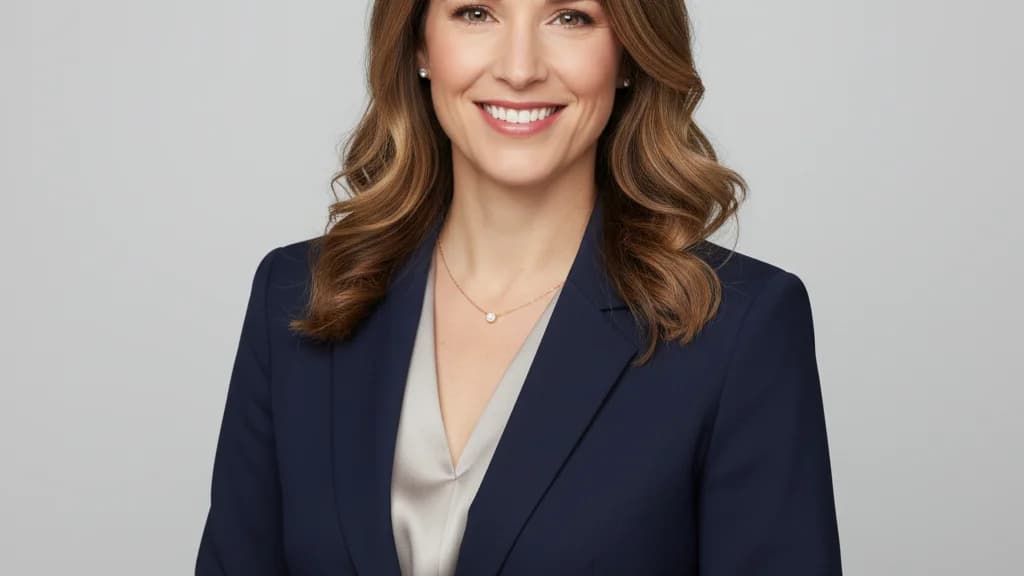
AI Headshots in 2026: How to Get Professional Results That Actually Look Like You
Most AI headshot tools give you a professional photo. Not your photo. This guide covers why identity drift happens, how to avoid it, and how to get results that actually look like you.
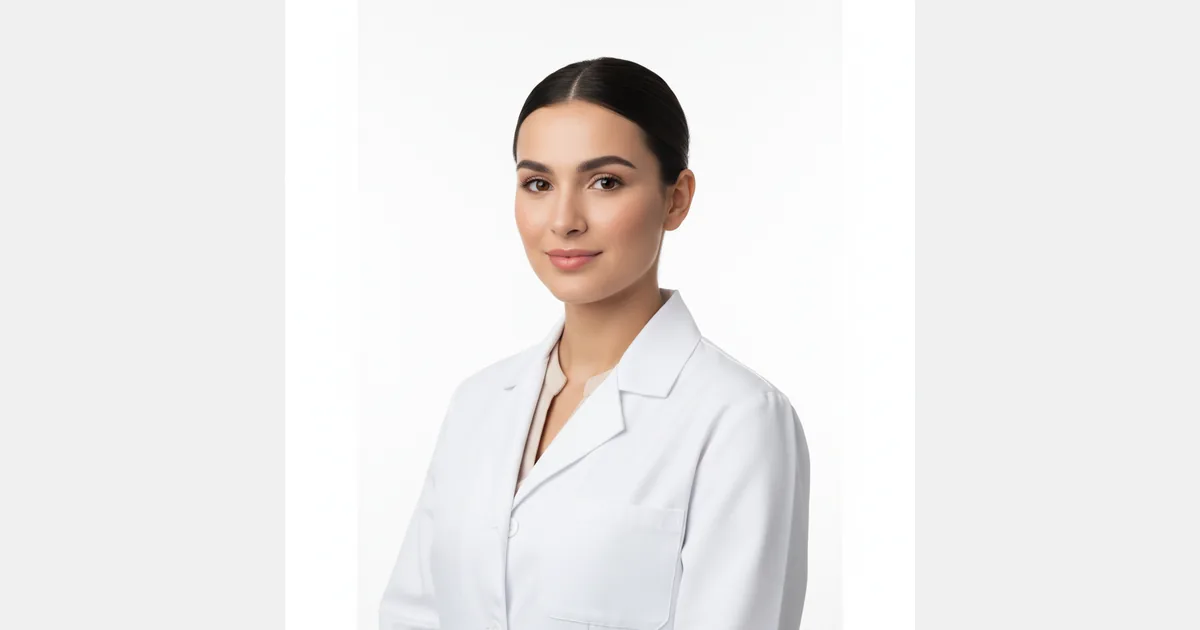
ERAS Headshot Requirements 2026: Complete Guide for Medical Students
ERAS requires a professional headshot for your residency application. Get the exact specs, common mistakes to avoid, and how AI headshots meet every requirement — in 10 minutes.