
How AI Headshot Generators Work: Complete Guide 2025
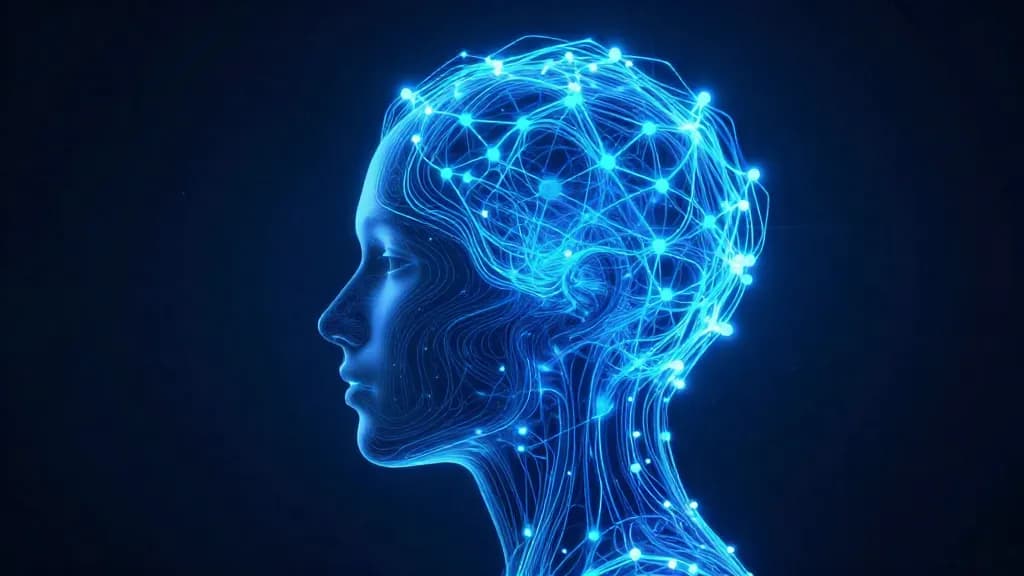
In 2025, AI headshot generators have become an indispensable tool for professionals, entrepreneurs, and job seekers worldwide. But have you ever wondered what happens behind the scenes when you upload your photos and receive studio-quality headshots minutes later? Understanding how AI headshot technology works can help you get better results and make informed decisions about using these services.
The Technology Behind AI Headshot Generators
AI headshot generators leverage cutting-edge artificial intelligence and machine learning technologies to create professional-quality portraits. The process involves several sophisticated technologies working together seamlessly.
Machine Learning Foundations
At the core of every AI headshot generator is a deep learning model, typically based on advanced neural network architectures. These models are trained on millions of professional headshots, learning the subtle nuances that distinguish professional photography from casual snapshots.
The most advanced AI headshot generators in 2025 use diffusion models and transformer-based architectures, which excel at understanding and generating high-quality images. These models learn patterns in professional photography including proper lighting, composition, depth of field, and even the subtle retouching that professional photographers apply.
Training Data and Model Development
The quality of an AI headshot generator depends heavily on its training data. Professional services train their models on extensive datasets featuring:
- Thousands of professional studio headshots
- Various lighting conditions and setups
- Diverse backgrounds and settings
- Multiple ethnicities, ages, and genders
- Different professional contexts (corporate, creative, medical, legal, etc.)
The AI learns to recognize what makes a headshot "professional" by analyzing these patterns. It understands proper shoulder positioning, natural facial expressions, appropriate eye contact, and the subtle details that make headshots stand out.
Fine-Tuning with Your Photos
When you upload your photos to an AI headshot generator, the system creates a personalized model specifically for you. This process, called fine-tuning or LoRA (Low-Rank Adaptation), teaches the AI to recognize your unique facial features, expressions, and characteristics.
The AI analyzes your input photos to understand:
- Your facial structure and proportions
- Eye color and shape
- Skin tone and texture
- Hair color, style, and texture
- Natural expressions and mannerisms
- Overall appearance from multiple angles
This personalization step is crucial. It ensures the generated headshots look genuinely like you while maintaining professional quality standards.
The AI Headshot Generation Process
Understanding the step-by-step process helps demystify how your casual photos transform into professional headshots.
Step 1: Photo Upload and Analysis
When you upload your photos, the AI first analyzes each image for quality and usability. It checks for:
- Image resolution and clarity
- Proper focus on facial features
- Lighting conditions
- Face detection and positioning
- Background complexity
- Photo variety (different angles, expressions, lighting)
The system automatically filters out photos that don't meet quality standards, ensuring only the best images contribute to your personalized model.
Step 2: Model Training (Fine-Tuning)
Using your approved photos, the AI creates a custom model that understands your appearance. This process typically takes 20-45 minutes and involves:
- Extracting facial features and characteristics
- Learning your unique appearance patterns
- Associating your features with professional headshot standards
- Creating a personalized generation model
During this phase, the AI essentially learns what "you in a professional headshot" should look like.
Step 3: Headshot Generation
Once your personalized model is ready, the generation process begins. The AI creates multiple headshots by:
- Applying professional lighting techniques
- Positioning you in standard headshot poses
- Adding appropriate backgrounds (studio, office, outdoor, etc.)
- Ensuring proper depth of field and bokeh effects
- Applying subtle retouching (smoothing, color correction)
- Maintaining photorealistic quality
The AI generates numerous variations, allowing you to choose headshots that best represent your professional image.
Step 4: Quality Control and Selection
Modern AI headshot generators include built-in quality control mechanisms that:
- Filter out low-quality or unrealistic results
- Ensure facial features remain accurate and proportional
- Check for proper lighting and exposure
- Verify background coherence and professionalism
- Eliminate artifacts or distortions
You receive only the highest-quality headshots that pass these automated checks.
What Makes Good Input Photos
The quality of your AI-generated headshots directly correlates with the quality of your input photos. Understanding what makes good source material is essential for optimal results.
Photo Quality Requirements
Resolution and Clarity: Upload high-resolution photos (at least 1000x1000 pixels) with sharp focus on your face. Blurry or low-resolution images limit the AI's ability to capture your features accurately.
Proper Lighting: Well-lit photos help the AI understand your facial features correctly. Natural daylight or well-diffused artificial lighting works best. Avoid harsh shadows, extreme backlighting, or very dark photos.
Face Visibility: Your entire face should be clearly visible without obstructions. Avoid sunglasses, masks, hands covering parts of your face, or heavy shadows obscuring facial features.
Photo Variety and Diversity
Multiple Angles: Include photos from different angles - front-facing, slight turns to the left and right, and varying head tilts. This helps the AI understand your face three-dimensionally.
Different Expressions: Upload photos showing various natural expressions - neutral, slight smiles, professional demeanor. This variety allows the AI to generate headshots with appropriate professional expressions.
Varied Lighting Conditions: Photos taken in different lighting conditions (indoor, outdoor, natural light, artificial light) help the AI understand how your features appear under various circumstances.
Recent Photos: Use recent photos that accurately represent your current appearance. The AI will generate headshots matching your input photos, so outdated images will produce outdated results.
Common Photo Mistakes to Avoid
Group Photos: While some AI systems can handle group photos, solo photos work best. Group shots may confuse the AI or dilute the quality of your personalized model.
Extreme Filters or Editing: Avoid heavily filtered, edited, or beautified photos. The AI needs to learn your natural appearance to generate realistic professional headshots.
Inconsistent Appearance: Don't mix photos showing dramatically different hairstyles, facial hair, or overall appearance. Consistency helps the AI create a coherent model of your current look.
Poor Photo Conditions: Avoid photos taken in poor lighting, with cluttered backgrounds, at extreme angles, or with heavy makeup that dramatically alters your appearance.
Key Factors That Determine Quality
Several factors influence the final quality of your AI-generated headshots.
Model Architecture and Training
The underlying AI model's sophistication directly impacts output quality. Advanced models trained on extensive, high-quality datasets produce more realistic and professional results. Services using state-of-the-art diffusion models and transformer architectures typically deliver superior headshots.
Input Photo Quality
As discussed earlier, your input photos are paramount. High-quality, diverse, well-lit photos enable the AI to create accurate personalized models, resulting in better headshots.
Fine-Tuning Process
The personalization step's thoroughness affects results. Services that invest more computational resources in fine-tuning create more accurate models that generate headshots truly resembling you.
Generation Parameters
Professional AI headshot services carefully tune generation parameters including:
- Inference steps (more steps generally mean higher quality)
- Guidance scale (balancing creativity with accuracy)
- Resolution settings
- Seed randomization for variety
Post-Processing
Some services apply post-processing to enhance generated headshots:
- Color correction and grading
- Subtle smoothing and retouching
- Background refinement
- Sharpening and detail enhancement
Quality post-processing can elevate good AI headshots to exceptional ones.
Understanding AI Headshot Limitations
While AI headshot technology is remarkably advanced, understanding its limitations helps set appropriate expectations.
Photorealism Boundaries
AI-generated headshots are incredibly realistic but aren't photographs of you. They're synthetic images created based on your appearance. Close inspection may reveal subtle AI artifacts, though these are increasingly rare with advanced models.
Expression and Pose Control
Current AI technology excels at generating standard professional poses and expressions but offers limited control over specific subtle expressions or unique poses you might want.
Consistency Across Multiple Headshots
While the AI maintains your overall appearance, minor variations may appear across different generated headshots - slight differences in facial features, skin texture, or proportions.
Authenticity Considerations
Some professional contexts require actual photographs. AI headshots may not be appropriate for official documentation, certain professional certifications, or contexts requiring verified photography.
The Future of AI Headshot Technology
AI headshot technology continues evolving rapidly. Emerging developments include:
Enhanced Personalization: Future models will offer more control over specific aspects - precise expression control, custom poses, specific clothing styles, and more.
Video-Based Training: Next-generation systems may use video input instead of photos, creating even more accurate personalized models by analyzing your features in motion.
Real-Time Generation: Faster processing will enable near-instant headshot generation, allowing you to preview and iterate quickly.
Integration with Professional Tools: AI headshot technology will increasingly integrate with professional design tools, career platforms, and marketing software.
Conclusion
AI headshot generators represent a remarkable convergence of machine learning, computer vision, and professional photography expertise. By understanding how these systems work - from training data and personalization to generation and quality control - you can better leverage this technology for your professional image needs.
The key to excellent results lies in providing high-quality, diverse input photos and choosing reputable AI headshot services with proven track records. As this technology continues advancing, AI-generated professional headshots will become even more accessible, affordable, and indistinguishable from traditional studio photography.
Whether you're a job seeker, entrepreneur, or professional looking to update your digital presence, understanding AI headshot technology empowers you to make informed decisions and achieve the best possible results for your professional image.
Ready to create your professional headshots?
Join thousands of professionals who have already transformed their online presence with AI-powered headshots.
Continue Reading
AI Headshots in 2026: How to Get Professional Results That Actually Look Like You
Most AI headshot tools give you a professional photo. Not your photo. This guide covers why identity drift happens, how to avoid it, and how to get results that actually look like you.
AI Headshots vs Traditional Photography in 2026: An Honest Comparison
Cost, speed, quality, identity preservation — an honest breakdown of AI headshots vs a traditional photographer in 2026, with clear guidance on which is right for your situation.
Best AI Headshot Generator in 2026: What to Look for and What to Avoid
Most AI headshot generators produce professional-looking photos. The best ones produce photos that actually look like you. Here's how to evaluate them and which ones are worth it in 2026.